

How to Make Legit Money Online: A Nigerian Safety Guide
A practical safety guide to online work, platform checks and common scams, with a clear explanation of where TradeBanta fits.
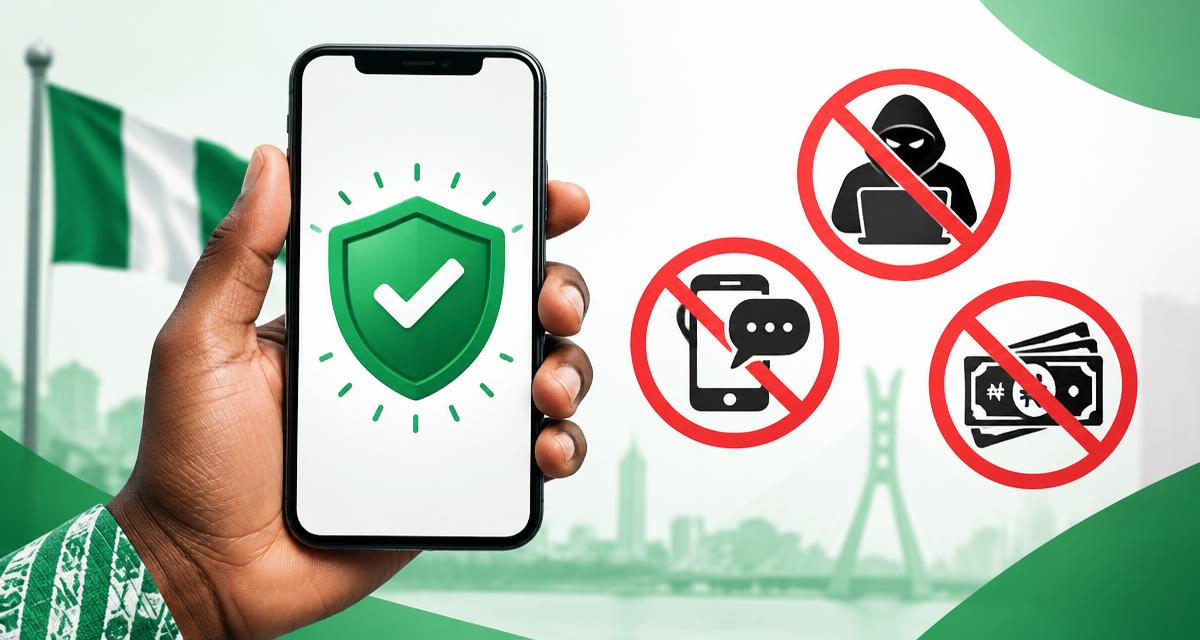
If you want to know how to make legit money online, the most useful first question is not “How much can I earn?” It is “Who pays, what do they receive, and what could I lose?” A real opportunity should have an understandable business model, clear conditions and risks you can evaluate.
For Nigerian beginners, that means looking beyond impressive screenshots and urgent WhatsApp messages. Some offers are straightforward work, some are businesses, and some involve financial risk. This guide helps you distinguish them, recognise common scams and decide whether a platform deserves further attention. No checklist can eliminate every risk, but careful checks can prevent avoidable mistakes.
Understand the different sources of online money
A client pays a freelancer for a service. A customer pays a shop for a product. An affiliate programme pays for a qualifying referral or purchase. These arrangements depend on real demand, agreed terms and someone receiving something useful in return.
Prediction trading is different. Money is committed to uncertain event outcomes, and you can lose it. A referral promotion or community reward is different again: payment depends on specific programme rules. Do not label all these activities “online jobs”, because that hides important differences in certainty, responsibility and possible losses.
Write the payment model in one sentence before joining. If you cannot explain who funds the payment without repeating a promoter's slogans, pause. A complicated explanation is not necessarily fraudulent, but confusion is a good reason to investigate rather than deposit.
Recognise Ponzi-style promises
A Ponzi-style scheme uses money from newer participants to support payments to earlier participants rather than generating the claimed returns from a sustainable underlying activity. It may describe itself as investment, cooperative savings or digital trading. The label does not establish legitimacy.
Warning signs include fixed high returns, pressure to recruit, vague explanations of operations and difficulty withdrawing without bringing in another person. Early payments do not prove that a model is sound. They can be part of what persuades people to commit larger amounts.
Ask whether the offer makes economic sense without constant recruitment. Look for independently verifiable information, not merely testimonials from people receiving commissions. Never borrow because a group administrator says a payout window is closing. Missing a promotion is less damaging than losing essential money.
Reject “double your money” claims
Promises to double a deposit quickly are a major warning sign, especially when described as risk-free or guaranteed. Fraudsters may impersonate a public figure, copy a company's branding or publish edited account balances. A familiar logo is not evidence that an account belongs to the organisation.
Verify the website address independently rather than following an unsolicited message. Check for subtle spelling changes and misleading social handles. Do not send cryptocurrency to “verify” a wallet or pay a release fee to receive a promised gift.
If someone claims a payment is blocked, stop and check the situation through an official support channel you located yourself. Sending more money rarely resolves an invented problem. Keep screenshots and transaction references if you suspect fraud, but do not pay a stranger who promises guaranteed recovery.
Understand task scams
Task scams often begin with simple actions such as liking videos, reviewing products or clicking buttons. A small initial payment can create trust. Later, the operator asks you to deposit money to unlock better tasks, correct a negative balance or complete a withdrawal sequence.
The central warning is being required to fund an unfamiliar work dashboard to receive supposed wages. Displayed balances are easy to invent. A group chat full of successful “workers” may also be staged, so apparent social proof should not override the underlying payment model.
Legitimate freelance platforms may charge published service fees, but those rules should be visible and independently checkable. They are not a reason to accept arbitrary transfers demanded by a recruiter. Stop when the explanation changes each time you try to withdraw.
Be sceptical of fake forex signals
A signal seller may promise that following their messages will produce reliable profits. Screenshots can omit losses, use demonstration accounts or show only selected periods. Expertise cannot remove market uncertainty, and a paid group does not make losses impossible.
Be particularly cautious if the same person sells signals, controls your account and insists on a specific deposit destination. Understand who has custody of funds and whether the claimed authorisation actually covers the activity being offered. Verify regulatory claims directly with the relevant official source.
Do not share passwords or one-time codes with a supposed account manager. If you cannot explain the product, costs and worst-case loss, do not fund it. Prediction markets also involve risk; moving to a different product is not a shortcut around the need for caution.
Use a platform legitimacy checklist
Before using any platform, check these points in a calm moment rather than during a promotion:
- Identity: can you find a consistent official website, company information and a genuine support route?
- Terms: are eligibility, fees, restrictions and payment conditions written clearly?
- Money movement: are deposit and withdrawal methods explained, including possible delays?
- Risk: does the platform acknowledge losses or uncertainty instead of guaranteeing outcomes?
- Security: can you protect access, and does support avoid asking for secret codes?
- Evidence: can important claims be checked beyond affiliate posts and screenshots?
Read complaints for patterns, but distinguish a documented issue from an unsupported allegation. A small successful withdrawal is useful operational information, not proof of permanent safety, solvency or future returns. Keep checking terms as your use changes.
Consider safer work-based starting points
If your priority is paying regular bills, start by exploring work that pays for a defined deliverable. Writing, design, tutoring, administrative support and customer service can be practical options when matched to your skills. They still carry risks such as non-payment and unreliable demand, but do not require predicting an event correctly.
Create a sample, define a small service and agree payment milestones. Use appropriate platform protections where available. For direct clients, record the scope, price, revision limits and delivery date in writing. Do not accept an overpayment and forward the supposed excess to another account.
Selling online is another option, but calculate delivery, returns and stock costs. Income is the amount received; profit is what remains after expenses. That distinction helps you compare a real small business with an offer that merely displays large numbers.
Where TradeBanta fits
TradeBanta offers a transparent way to participate in prediction markets when you review the market question, odds and rules before deciding. Its positioning, “The Prediction Market Built for Everyone™”, describes accessibility, not guaranteed success. You can trade views on sports, politics and entertainment, but being knowledgeable does not prevent losses.
Start with how TradeBanta works and the practical questions in this TradeBanta review. Check current deposit, withdrawal and market conditions in the app. Do not treat brand claims, fast withdrawals or community enthusiasm as substitutes for your own assessment.
Referral rewards and Activity Points are separate features with eligibility conditions and changeable values. They do not convert trading into employment. If you are 18 or older, understand the risks and have disposable funds, you can sign up to explore the platform without assuming you must place a trade.
Make a simple safety routine
Use unique passwords, secure your email and keep financial messages private. Avoid public screenshots showing balances, identity documents or transaction details. Set a waiting period before responding to any offer that involves sending money, particularly one introduced through an unsolicited direct message.
Record what you agreed, what you paid and what you received. If a platform changes its explanation or pressures you to deposit more, stop and reassess. You do not need to prove an offer is fraudulent before deciding it is unsuitable for you.
FAQ
Does a successful first payout prove a platform is legitimate?
No. It confirms only that a particular payment arrived. Continue assessing the business model, terms and risks independently.
Should I pay to unlock an online job?
Treat recruiter demands for activation or withdrawal deposits as serious warning signs. Verify any legitimate published platform charges independently before proceeding.
Is TradeBanta guaranteed income?
No. Trading can lose money, while rewards depend on programme conditions. It should never be presented as a salary or certain return.
Responsible trading: Only trade what you can afford to lose. Participation is restricted to adults aged 18+.
Now put what you just learned about how to make legit money online to work.
Live Platform Guides markets are open on TradeBanta — turn the read into a real position.
Related reading

How TradeBanta Works: The 5-Minute Overview
Curious about prediction markets? This quick guide breaks down how TradeBanta works, from predicting outcomes to understanding your potential returns, in just five minutes.

Is TradeBanta Legit? A Practical Prediction Market Review
A balanced TradeBanta review covering what the platform offers, what legitimacy checks mean and what you should verify before depositing.

Trading Responsibly: How to Stay in Control on TradeBanta
Discover how to master responsible trading on TradeBanta, ensuring a positive and sustainable experience while navigating the world of prediction markets. Learn practical strategies to manage risk and stay in control.