

Polls vs Prediction Markets: The Old Signal vs the New
When it comes to forecasting future events, especially political outcomes, two major contenders emerge: traditional polls and the innovative world of prediction markets. But which offers a clearer, more reliable glimpse into tomorrow?

Fuller guide: this article overlaps with our main explainer — read [Prediction Markets vs Polls: Why Skin-in-the-Game Data Wins](/blog/prediction-markets-vs-polls) for the complete version.
Introduction
In our increasingly complex world, the desire to anticipate future events is more potent than ever. From election results to economic trends, understanding what might happen next can inform critical decisions for individuals, businesses, and governments. For decades, public opinion polls have been the go-to method for gauging sentiment and predicting outcomes. However, a new contender, prediction markets, is rapidly gaining prominence, offering an alternative and often more accurate forecasting mechanism. This article delves into the core differences, strengths, and weaknesses of polls vs prediction markets, helping you understand which signal might be more reliable.
What are Public Opinion Polls?
Public opinion polls are systematic attempts to gauge the attitudes, beliefs, and preferences of a population by surveying a representative sample of individuals. The methodology typically involves asking a set of questions to a carefully selected group, and then extrapolating their responses to the larger population. Polling has a long history, becoming a staple in democratic societies for understanding voter intentions, consumer preferences, and social attitudes. They are frequently cited in news media, especially during election cycles, to provide a snapshot of public sentiment.
Polls aim to capture a moment in time, reflecting what people say they will do or believe. The strength of a poll lies in its ability to quantify opinions across broad demographics. However, their accuracy hinges heavily on the sampling method, question design, and the willingness of respondents to be truthful and consistent. When executed well, polls can offer valuable insights; when flawed, they can mislead.
The Mechanics of Prediction Markets
Prediction markets, on the other hand, operate fundamentally differently. They are speculative markets created for the purpose of trading contracts whose payoffs are contingent on the outcome of future events. Participants buy and sell shares in potential outcomes – for example, "Candidate A to win election" or "Interest rates to rise." The price of these shares at any given time reflects the market's collective probability assessment of that event occurring. If a share for "Candidate A wins" is trading at ₦70, it implies the market believes there's a 70% chance Candidate A will win.
These markets harness the 'wisdom of the crowds,' aggregating diverse information and opinions from many participants. Unlike polls, where respondents merely state an opinion, participants in prediction markets put their money where their mouth is. This financial incentive encourages participants to seek out and incorporate all available information, rather than simply expressing a preference or guessing. Platforms like TradeBanta provide a streamlined way for individuals in Nigeria and globally to engage with these markets, offering a unique avenue for forecasting.
Key Differences: Polls vs Prediction Markets
The distinctions between polls and prediction markets are profound and contribute to their differing forecasting capabilities. Firstly, polls measure stated intentions or opinions, while prediction markets measure revealed probabilities based on financial incentives. In a poll, there's no direct consequence for being wrong; in a prediction market, inaccurate predictions lead to financial losses, thereby incentivizing accuracy and information-seeking.
Secondly, polls are static snapshots, often conducted at specific intervals. Prediction markets, however, are dynamic and continuous, with prices updating in real-time as new information emerges, reflecting a constantly evolving collective judgment. This continuous nature allows prediction markets to react swiftly to breaking news, debates, or shifts in public sentiment, providing a more current forecast.
The Problem of Polling Bias
One of the most persistent challenges for traditional polling is bias. Several types of bias can skew poll results, leading to inaccurate predictions. Sampling bias occurs when the surveyed group isn't truly representative of the larger population, perhaps missing certain demographics or overrepresenting others. Response bias arises when respondents don't answer truthfully, possibly due to social desirability (e.g., stating they'll vote for a socially approved candidate) or a lack of genuine interest in the survey.
Furthermore, non-response bias is a growing concern, as fewer people are willing to participate in polls, making it harder to get a representative sample. Question wording bias can also manipulate results, as the way a question is phrased can subtly influence the answer. These inherent biases mean that even well-intentioned polls can sometimes paint a misleading picture, as seen in various elections globally, including recent ones in Nigeria where pre-election polls often diverged significantly from final outcomes.
Why Prediction Markets Often Outperform Polls
Prediction markets frequently demonstrate superior forecasting accuracy compared to traditional polls. This enhanced reliability stems from several factors. The financial incentives inherent in prediction markets encourage participants to gather and process information diligently. Traders are motivated to correct mispricings, pushing the market price closer to the true probability of an event. This creates a powerful mechanism for information aggregation that polls simply cannot replicate.
Moreover, prediction markets are less susceptible to the biases that plague polls. Participants aren't merely stating an opinion; they are making a financial commitment based on their best judgment, which often incorporates a wider range of information than what a poll respondent might consider. The market automatically weighs the convictions of participants: those who are more certain (and likely better informed) will trade more aggressively, influencing prices more significantly. This 'skin in the game' principle is a core reason for their forecasting power.
Limitations and Criticisms of Prediction Markets
Despite their strengths, prediction markets are not without their limitations. One common criticism relates to liquidity; if a market doesn't have enough participants or trading volume, prices may not accurately reflect true probabilities. Thin markets can be easily manipulated or may not efficiently aggregate information.
Another concern is manipulation, where a single wealthy actor could theoretically move market prices without necessarily having superior information. However, such manipulation is often costly and quickly corrected by other traders seeking profit. Regulatory issues and legal frameworks are also evolving, particularly in different jurisdictions, which can impact the accessibility and scope of these markets. Furthermore, prediction markets, like any market, can be influenced by irrational exuberance or panic, though these effects tend to be less pronounced and shorter-lived compared to traditional financial markets due to the clear binary outcome.
Frequently Asked Questions
- Are prediction markets gambling? While they involve financial risk, many argue they are distinct from traditional gambling. Gambling typically involves games of chance with a negative expected value for the player. Prediction markets, by contrast, are information aggregation tools where skilled participants can profit by identifying mispriced contracts, similar to traditional financial investing.
- Who can participate in prediction markets? Generally, anyone of legal age can participate, though specific platforms and jurisdictions may have their own rules. Platforms like TradeBanta aim to make participation accessible and straightforward for a broad audience.
- Are prediction markets always accurate? No, no forecasting method is 100% accurate. However, prediction markets have a strong track record of outperforming polls and even expert forecasts across a wide range of events.
- How do I start using a prediction market? Platforms like TradeBanta offer intuitive interfaces. You typically sign up, deposit funds, and then browse available markets. Once you understand the event and the potential outcomes, you can buy shares in the outcome you believe is most likely.
Why TradeBanta is Leading the Way
TradeBanta is revolutionizing how individuals engage with prediction markets, particularly in emerging economies like Nigeria. By focusing on simplicity and accessibility, TradeBanta makes it easy for anyone to participate in forecasting future events, from major political contests to entertainment outcomes and economic indicators. Unlike complex traditional markets, TradeBanta simplifies the process, allowing users to quickly understand the odds and make informed decisions.
Our platform leverages the power of the crowd to generate highly accurate forecasts, often surpassing the predictive power of traditional polling methods. TradeBanta's commitment to transparency and user education ensures that participants can confidently navigate the market, contributing to a collective intelligence that benefits everyone. Join TradeBanta today and be part of the future of forecasting, where your insights have value and contribute to a more accurate understanding of tomorrow.
Conclusion
While public opinion polls have served as a valuable tool for understanding societal sentiment for decades, prediction markets represent a powerful evolution in forecasting. Their ability to aggregate diverse information through financial incentives often gives them an edge in accuracy, especially for complex and high-stakes events. As we move forward, prediction markets are likely to become an increasingly important tool for understanding probable futures, offering a dynamic, real-time, and often more reliable alternative to the static snapshots provided by traditional polling. For those seeking a clearer vision of what's to come, engaging with platforms like TradeBanta offers an exciting and insightful path.
Now put what you just learned about polls vs prediction markets to work.
Live Politics markets are open on TradeBanta — turn the read into a real position.
Related reading
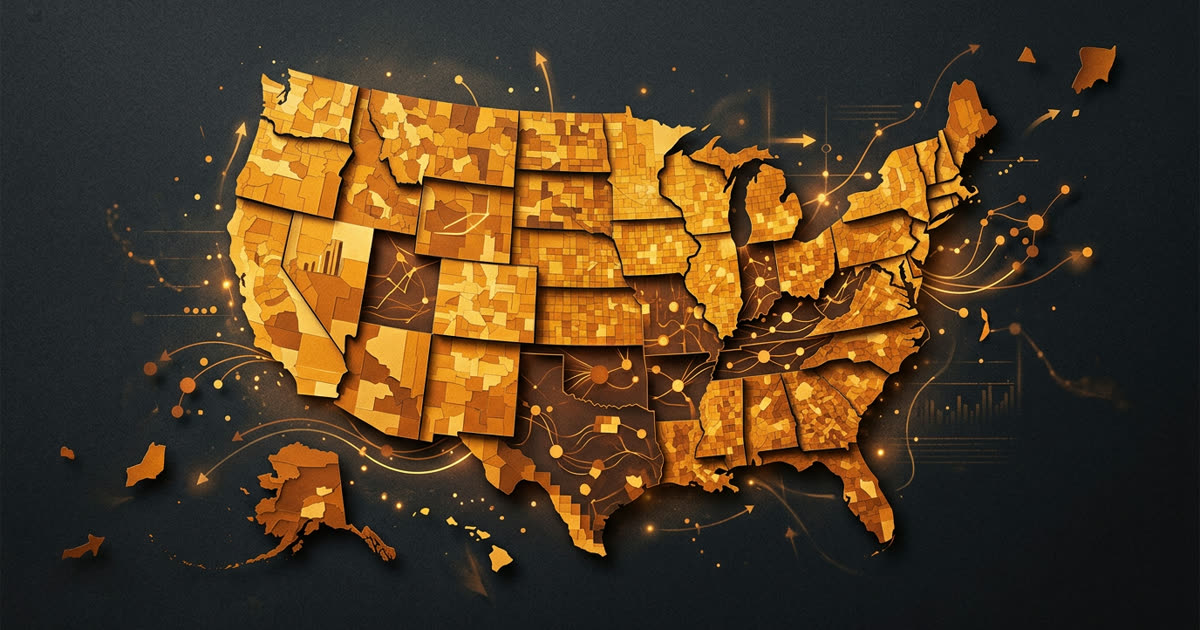
Election Forecasting: Models, Markets and Their Limits
Curious how election outcomes are predicted? Delve into the world of election forecasting, exploring the models, markets, and the inherent limitations that shape our understanding of political futures.
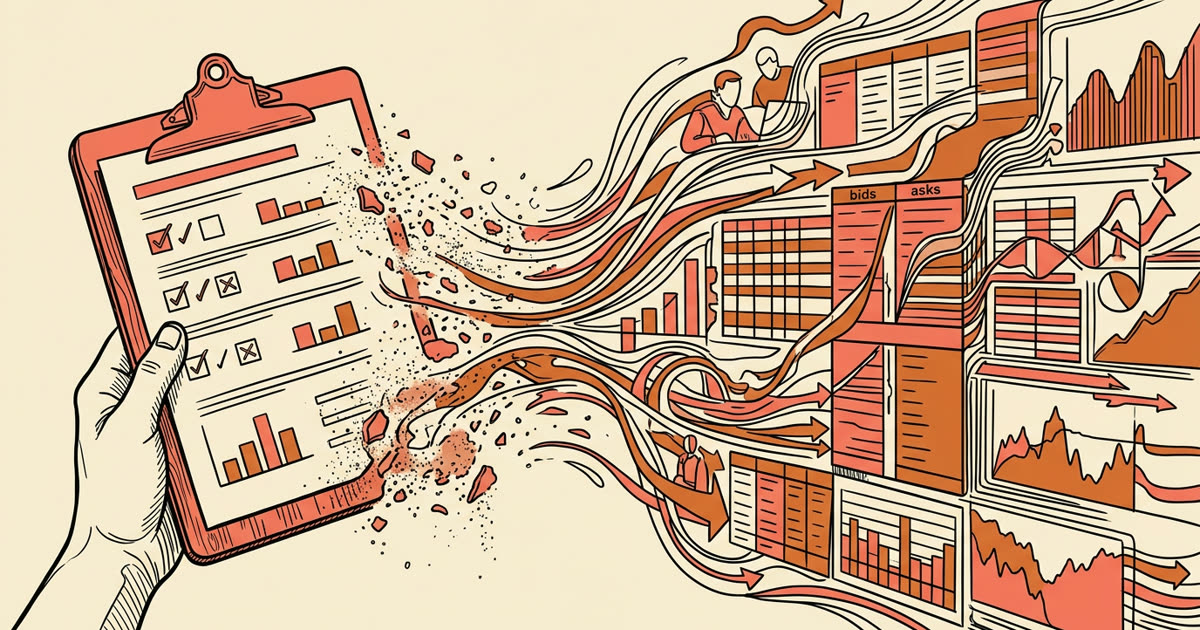
Prediction Markets vs Polls: Why Skin-in-the-Game Data Wins
Ever wondered why some predictions hit the mark while others miss by a mile? Discover how the 'skin-in-the-game' principle makes prediction markets a powerful alternative to traditional polls for forecasting future events.

Nigerian Election Prediction Markets: How to Trade Political Outcomes
Why polls and markets disagree, how to read a political price, what actually moves it, and how to trade Nigerian elections without trading your own bias.